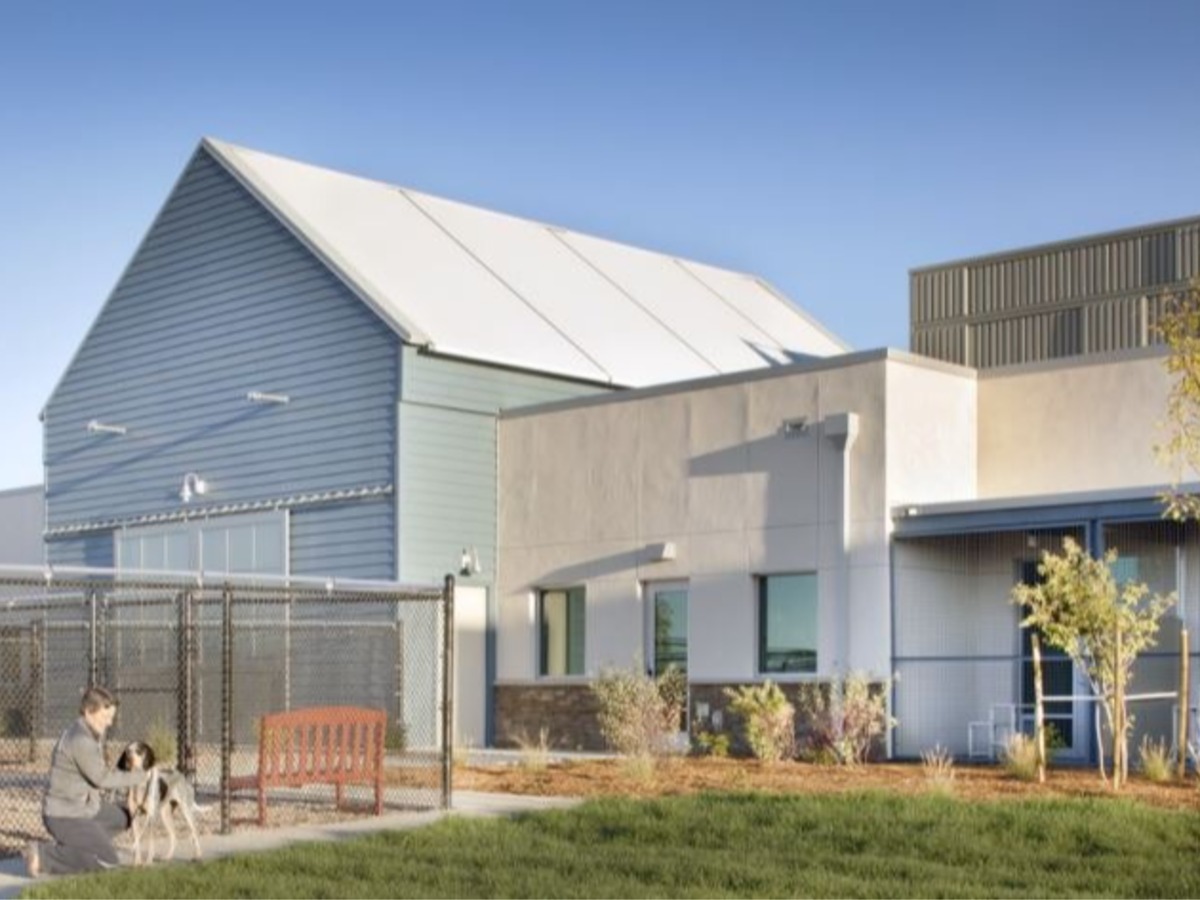
Joplin council members question $22m animal shelter proposal, consider Humane Society partnership
What do you think?
A proposed $22.1 million animal shelter is facing questions from Joplin City Council members.
Some are expressing interest in expanding the city's existing partnership with the Joplin Humane Society rather than constructing a separate facility.
During a work session Monday, council members raised concerns about construction costs, long-term operating expenses, and whether surrounding communities would contribute enough to make a regional shelter financially feasible.
The discussion followed a consultant's recommendation that Joplin build and operate its own full-service animal shelter.
The proposed facility would cost an estimated $22.1 million, excluding land acquisition and certain additional expenses, with annual operating costs approaching $2.8 million.
Councilman Eli Moran questioned whether the city could afford such a substantial investment given its projected financial obligations.
"Twenty-two million is a big number for me, especially as we've seen the budget forecasts and stuff like that for the upcoming fiscal years," Moran said.
He expressed preliminary support for a less expensive alternative that would involve renegotiating the city's existing agreement with the Joplin Humane Society.
"My personal opinion, I would say we lean toward option three with Humane Society. But I need to see your report first," Moran said.
That third option would establish stronger performance requirements, potentially guarantee admission for certain animals and improve accountability without requiring construction of a new facility.
However, consultants cautioned that such an agreement would likely require substantially more funding than the approximately $257,500 the city currently budgets for sheltering services. The Humane Society would also have to agree to new contractual terms.
Councilman Josh DeTar similarly questioned whether a public-private partnership could provide a more practical solution.
DeTar asked whether the city could pursue grants or other funding to expand the Humane Society's existing operations instead of building a standalone municipal shelter.
Consultants said that approach is possible but would require detailed negotiations about what additional services the city would receive in exchange for increased investment.
The study was prompted in part by ongoing shelter capacity problems.
According to the findings, the Joplin Humane Society was unable to accept routine animal admissions from city officers for all or part of 54 days between April and September 2026. That represents nearly 30% of the 183 days examined.
The city has contracted with the Humane Society for sheltering services since 1975, but the existing agreement does not guarantee available space when the facility reaches capacity.
Consultant Becky Stuntebeck clarified that the proposed municipal shelter would not replace the Humane Society.
"Joplin Humane Society is going to be here, as it should be. They're an important community presence," Stuntebeck said.
Instead, the new facility would add sheltering capacity and give the city more direct control over animal admissions and operations.
Another major concern involved who would pay for a regional facility.
Mayor Pro Tem Keenan Cortez said surrounding municipalities would need to make meaningful financial commitments rather than leaving Joplin responsible for most of the expense.
"I would hope that it wouldn't all be on the backs of Joplin," Cortez said.
"We're going to need solid partners going forward into the future," he added, emphasizing that neighboring communities would need to contribute more than nominal amounts.
Consultants estimated that Joplin would account for approximately 82% of the animals handled under a regional model. The financial contributions of communities such as Carthage, Webb City and Neosho would depend on agreements that have not yet been negotiated.
The study also examined a smaller, holding-only municipal facility estimated to cost $6.8 million to construct and $736,000 annually to operate. Consultants did not recommend that approach because the city would remain dependent on outside organizations for most animal sheltering services.
Although consultants favor a new city-operated shelter, they identified a renegotiated Humane Society contract as a possible interim solution or longer-term alternative if construction funding cannot be secured.
No site has been selected for a new shelter, and no funding mechanism has been approved.
Council members are expected to receive the complete study report within a week or two before determining what direction the city should pursue.
No decision was made during Monday's work session.