Missouri Senator Jill Carter Talks 7OH as Concerns Mount Over Youth Safety
What do you think?
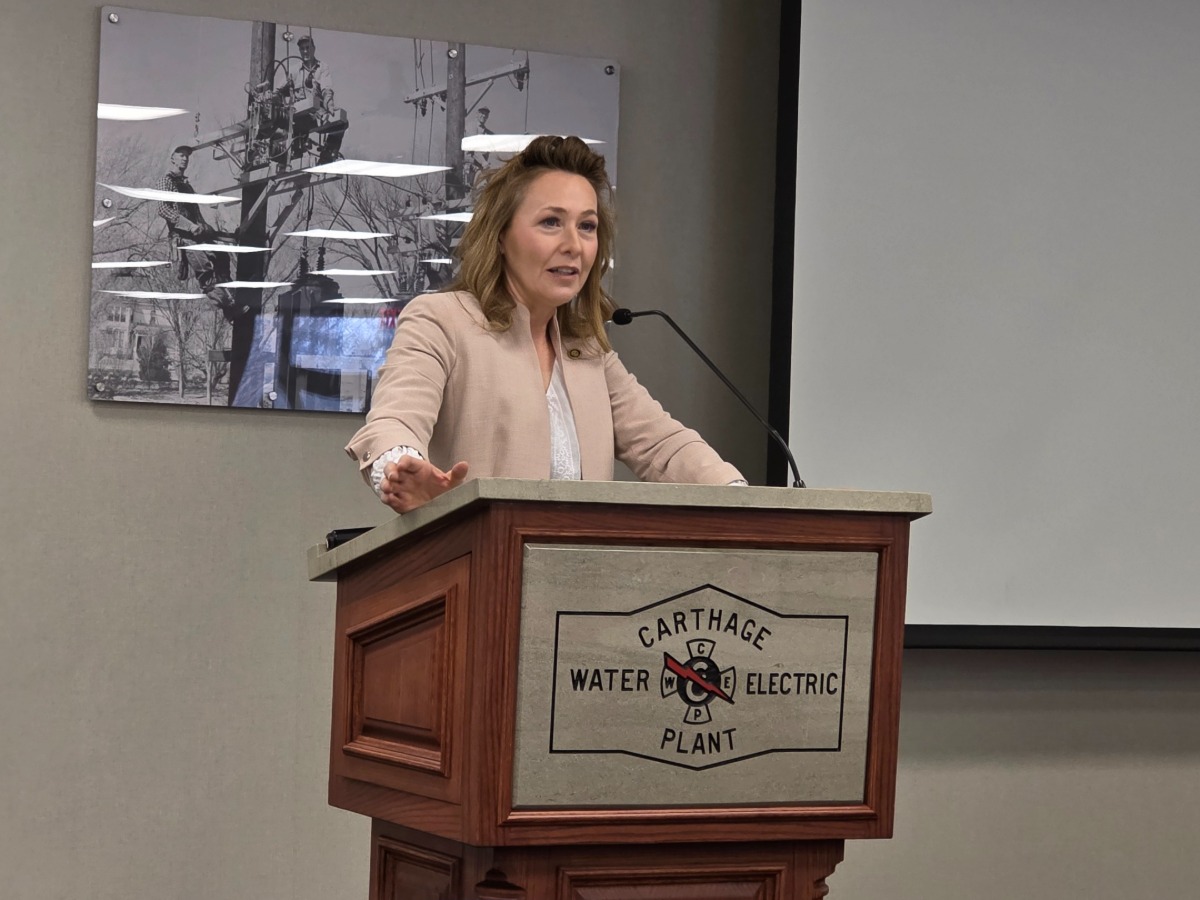
Missouri State Senator Jill Carter joined KZRG’s Morning Newswatch on Wednesday to discuss growing worries about unregulated substances like kratom and its potent derivative 7-hydroxymitragynine (7OH), as well as progress on the state budget and new protections for children online.
The conversation came shortly after Missouri Attorney General Catherine Hanaway appeared on the same program, warning listeners about the rising dangers of kratom and 7OH — opioid-like compounds linked to addiction and overdoses across the Show-Me State. Although not currently illegal, the substances have sparked increasing alarm among law enforcement and public health officials.
Senator Carter acknowledged the validity of Hanaway’s concerns and said the issue has been the subject of discussions in Jefferson City.
“There’s been a lot of conversation,” Carter said. “Catherine Hanaway, our AG, is just knocking it out of the park.”
She noted she had met personally with the Attorney General to discuss problems negatively impacting Missouri families.
While kratom itself is a naturally derived substance with roughly a 10 percent opioid-type effect, Carter highlighted the much higher risk posed by 7OH, describing its potency as approaching 100 percent of an opioid’s impact.
“The risk rates are astronomical,” she said.
Carter pointed out that the beverage industry has expressed some hesitation about tighter regulation because of the addictive nature of these products. She added that a related concern dominating this legislative session has been hemp-derived products, including THC-laced drinks and highly caffeinated beverages that are increasingly marketed to young people.
“We used to go to the convenience store and pick up a drink and just assume the ingredients were safe and regulated,” Carter said. “Now we’re seeing a lot of negative health impacts for our kids. We just need to get up to speed on it.”
With only four weeks left in the current legislative session, Carter expressed doubt that a bill specifically targeting kratom or 7OH would pass this year but said the dialogue would continue.“I’m confident we’re going to continue to have that conversation and debate,” she said. “I don’t know that we’ll get anything done this year… but definitely something I think that needs to happen.”
Budget Restraint and Zero-Based Budgeting
The senator also provided an update on the state budget process, noting she has deliberately stayed out of the day-to-day negotiations to focus on other priorities. She said Senate leadership is working to reduce spending, reporting the current proposal is approximately $2 billion lower than last year’s — a goal pushed by conservative lawmakers.
Carter emphasized the need to rein in “new discretionary items” that are added to the budget and rarely removed, contributing to ever-increasing baseline spending. She expressed support for moving toward zero-based budgeting, a practice used in states like Tennessee, where every expense must be justified from scratch each cycle rather than simply layering new spending on top of the previous year’s total.
“Bureaucracy runs the Capitol,” she observed, citing term limits and institutional knowledge gaps as barriers to identifying and eliminating waste. “It really does take leadership,” Carter added, crediting current Senate leadership for recent progress on fiscal restraint.She stressed that any cuts must protect essential services for vulnerable populations, such as disabled citizens, while focusing reductions on programs that fail to deliver a strong return on investment.
New Law Protects Children from Online Grooming
In a positive development, Carter celebrated the recent signing into law of legislation she championed to combat online grooming and sexual exploitation of minors. The measure, set to take effect in August, defines grooming by statute and provides new protections for Missouri children.
“We’re one of the few states that has taken on that challenge,” she said. “Our kids are going to be safer because of those protections.”
Carter credited the success of the bill — along with two others signed during the governor’s first bill-signing ceremony — to grassroots community efforts in southwest Missouri rather than top-down political initiatives.
