Missouri State Senator Jill Carter Joins Morning NewsWatch to Talk Dyslexia Support, Child Protection Bill
What do you think?
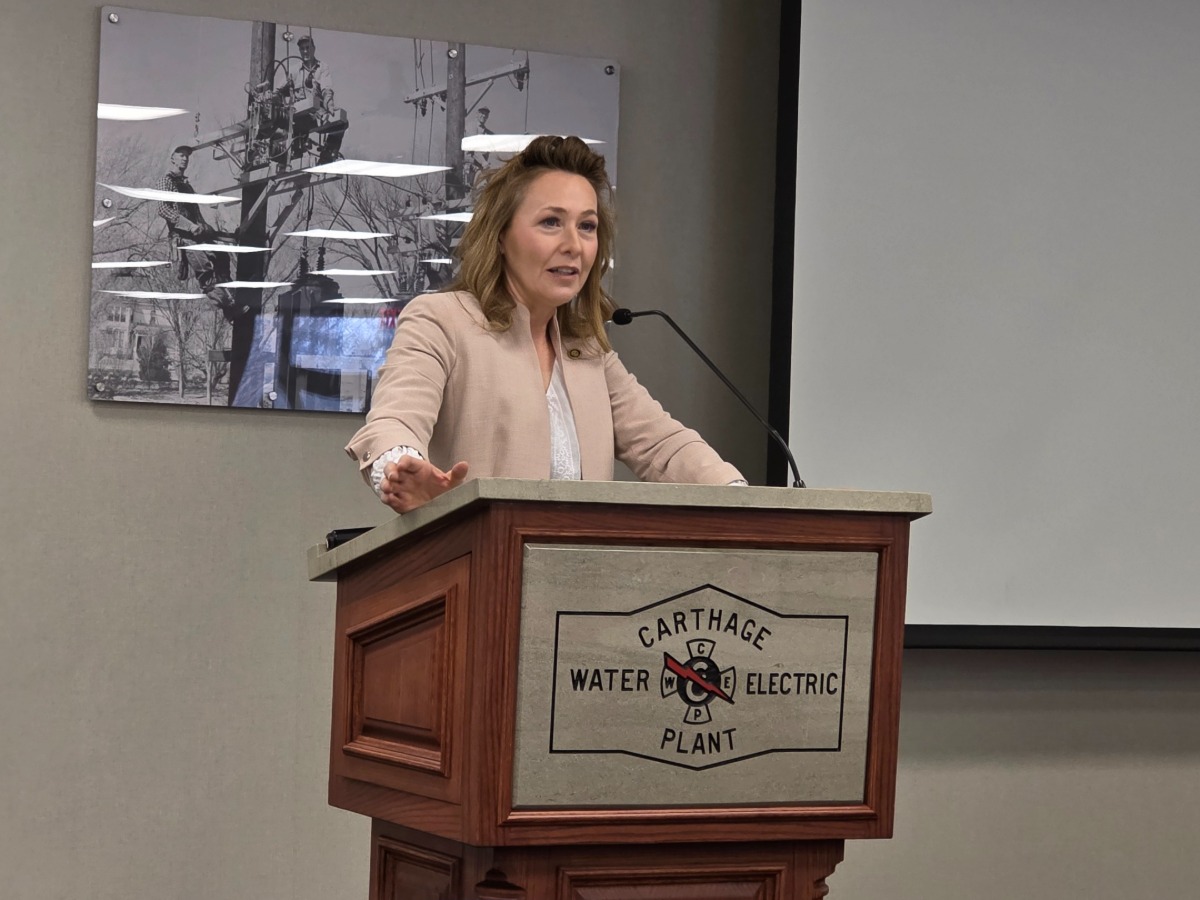
JOPLIN, Mo. — Missouri State Senator Jill Carter appeared live Tuesday morning on KZRG’s Morning NewsWatch, where she discussed challenges facing families of children with dyslexia and autism in public schools, while celebrating the passage of several key pieces of legislation—including a comprehensive bill aimed at cracking down on online grooming and exploitation of children.
A KZRG listener whose son is dyslexic had recently called the station seeking help navigating Missouri’s public school system. Carter, who has personal experience advocating for her own son on the autism spectrum, praised the mother for stepping up.
“Advocacy is so important,” she said. She recounted how she once flew a specialist from New York to train her and local teachers in ABA therapy, turning a personal need into a regional resource. “The schools will generally work really well with parents if we can find a solution,” Carter added, offering to speak directly with the concerned listener and help navigate available options.
When asked whether solutions for dyslexia support should come from the legislature or local school administrators, Carter explained the current framework includes mandatory annual dyslexia training for teachers by state statute, as well as tools like 504 plans and IEPs. However, she noted the wide variation in dyslexia severity and the growing number of state mandates—47 last year and 52 the year before—can sometimes overwhelm schools.
“We’re doing more and more mandates at the state level,” she said, contrasting that with private schools that face fewer requirements. “We want to give enough resources and training, but we don’t want to hamstring them.” Carter emphasized the need to strike a balance between necessary statewide standards and local flexibility.
The conversation then turned to one of Carter’s signature achievements this session: a bill targeting online predators that has now reached Gov. Mike Parson’s desk.
“I’m really excited about this piece of legislation,” Carter said. “It was truly a team effort” involving prosecutors, judges, and community stakeholders. The measure goes beyond grooming and online extortion, creating stronger penalties for selling children into prostitution—including an automatic life sentence in such cases. It also includes a provision allowing victims who were forced into prostitution as minors to have related felony convictions expunged if they have turned their lives around.
Carter highlighted emotional testimony during a four-hour hearing, including from two young women who had been groomed and contemplated suicide, as well as survivors and representatives from shelters like Rafa House and Lafayette House. The bill also empowers the Attorney General’s office to step in and prosecute cases when local counties lack resources.
She expressed hope the governor will sign the bill soon, noting it positions Missouri as a leader in protecting children.
In addition to the grooming bill, Carter said six of her priorities crossed the finish line before spring break, including:
A regional juvenile detention center bill allowing rural counties to pool resources instead of sending youth long distances to facilities like those in St. Louis.
Truth-in-sentencing reform to ensure victims know offenders will serve their time.
The “vocal language” provision supporting victims of crime, benefiting organizations like Lafayette House.
The Charity Act and reforms.
Veterans survivor benefits.
Looking ahead, Carter mentioned two more priorities still in play: a Pharmacy Benefit Manager (PBM) reform bill and a constitutional sheriffs measure.
She credited strong community involvement—parents, victims, and local stakeholders testifying at the Capitol—for much of the session’s success. “That gets people’s attention,” she said.
