Missouri Senator Jill Carter Discusses Data Centers, Child Protection Legislation, and Community Welfare Initiatives
What do you think?
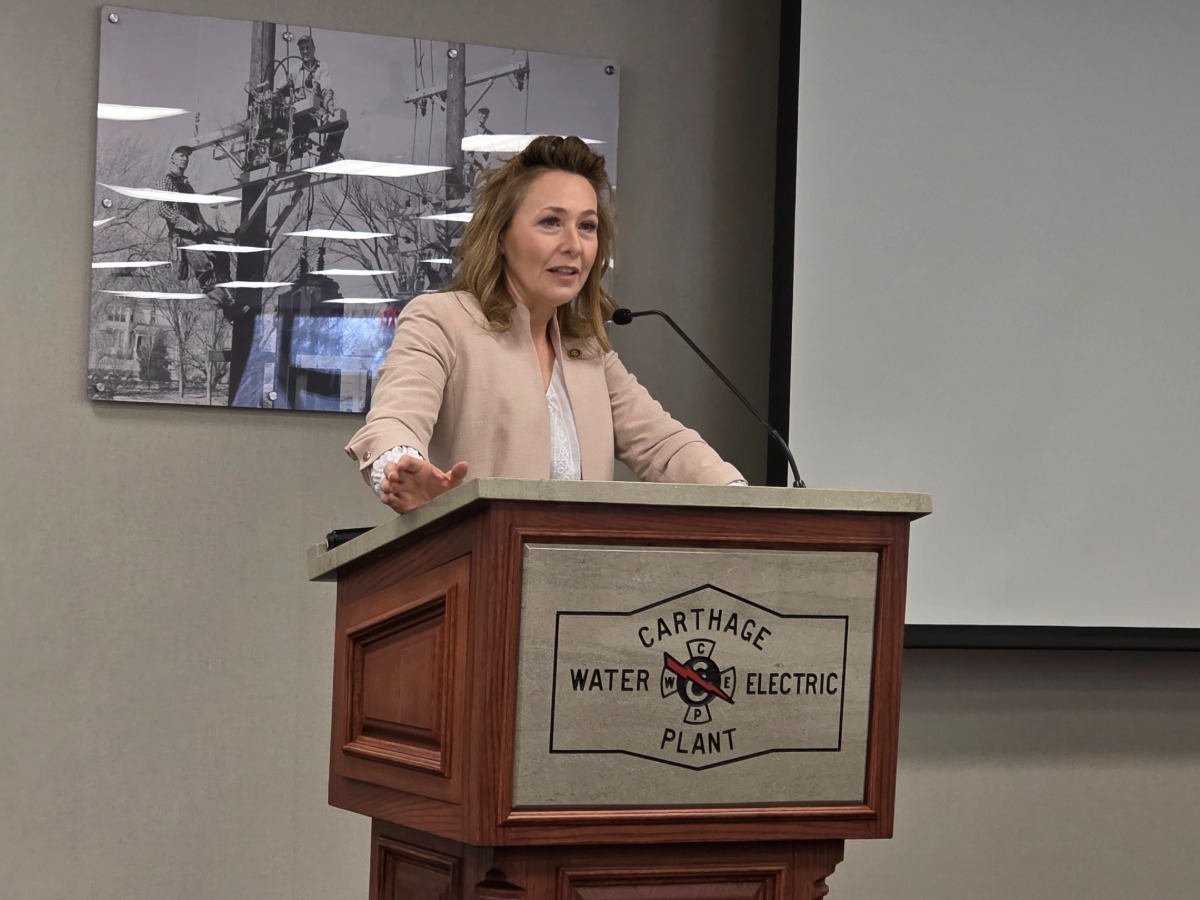
JOPLIN, Mo. — In a recent interview on KZRG's Morning NewsWatch, Missouri State Sentor Jill Carter, R-Granby, addressed several pressing issues facing her District 32 constituents in Jasper and Newton counties, including the ongoing debate over a potential data center in the Joplin area, new legislation to combat child grooming, and a bill aimed at strengthening community support systems.
Carter, who represents Southwest Missouri communities including Joplin, emphasized a measured approach to the proposed data center project that has sparked local discussion. The proposal involves annexing and rezoning land on the city's southwest side, potentially for an AI-related facility. Residents have expressed concerns about impacts on utilities, water supply, and infrastructure costs.
"The demand for data centers is increasing," Carter said. "But how do we make sure our communities aren't negatively impacted by all of this?"
She highlighted the importance of annexation of the former Wildwood Ranch land, which would allow Joplin to oversee regulations and collect property taxes from the massive facilities.
Carter noted that significant hurdles remain, including ensuring adequate energy supply from Liberty utilities and conducting necessary tests. She pointed to last year's Senate Bill 4, which she said prevents data centers from shifting infrastructure costs onto ratepayers.
"They cannot just come in and sap your energy and charge you for their infrastructure," she explained. "They have to offset all of those costs. There’s a little bit of security in that."
On job creation, Carter acknowledged that long-term employment might be limited—perhaps around 100 positions—but described them as high-paying, often six-figure roles. Construction phases could bring temporary economic boosts. She plans to visit a data center in Kansas City with Joplin city council members to better understand modern technology and long-term effects.
Shifting to child protection, Carter expressed enthusiasm for an anti-grooming bill that recently passed the Missouri House. The legislation, which she expects to carry in the Senate through her committee, would criminalize patterns of online grooming behavior by adults 21 and older toward minors, intended to prepare or manipulate them for sexual exploitation.
Carter referenced testimony from parents with extensive evidence of predatory communications that isolated children from families and, in some cases, led to suicidal thoughts. Current law often requires physical assault before action can be taken, she noted. A poll cited in discussions indicated 80 percent of children have met adults in person whom they first encountered online without parental knowledge.
Finally, Carter highlighted the HOPE Act, which advanced through committee this week. Inspired by successful models in Florida—where similar programs reduced foster care placements by 40 percent and social service reliance by 30 percent—the legislation promotes community connectivity to address needs upstream.
"It pings community members and churches on needs," Carter explained after meeting with the governor. "I don't think we have a resource problem; we have a connectivity problem." The initiative seeks to reduce reliance on state welfare systems by fostering local support networks.
Carter's comments reflect her focus on balancing economic opportunities with protections for residents and vulnerable populations. As the legislative session continues, she stressed the value of community involvement in shaping outcomes.
